
Spring Grass and Ponies: Why Grazing Muzzles Can Help Prevent Laminitis
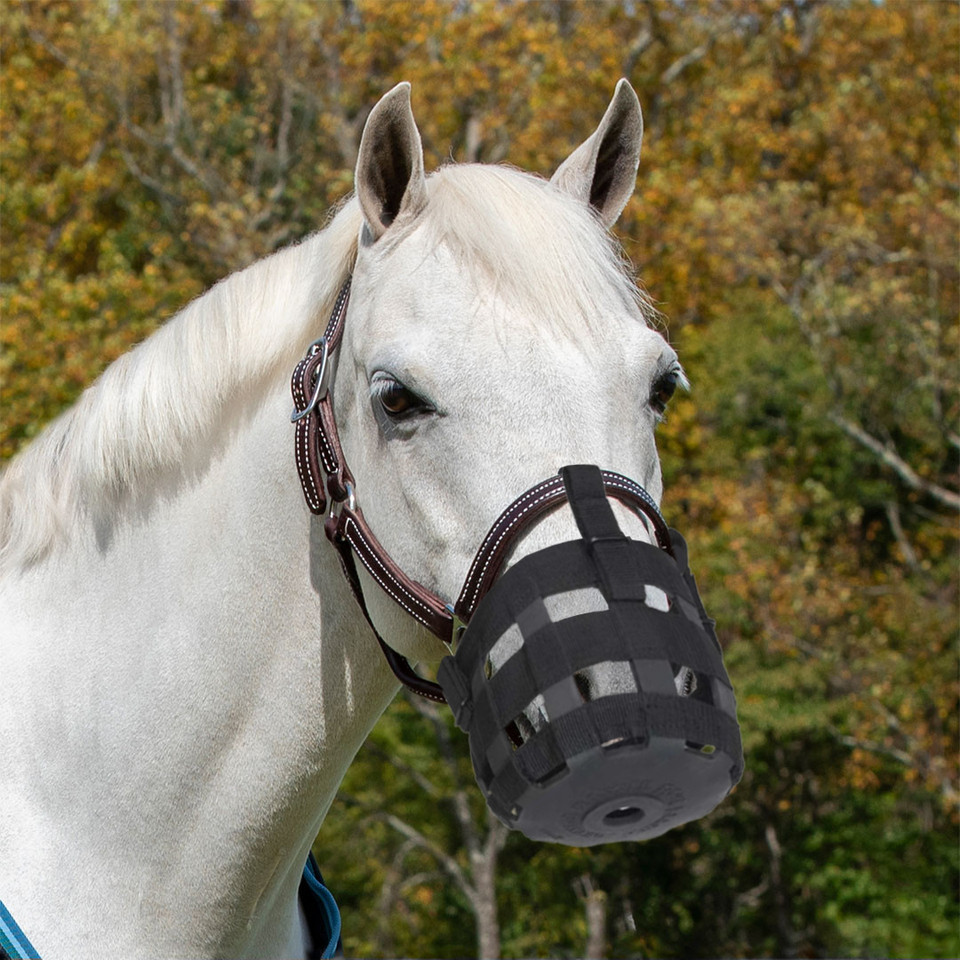
Spring grass may look lush and inviting, but it can pose real risks for many ponies. Fresh pasture is often high in sugars, especially after cool nights followed by sunny days. Because ponies are typically “easy keepers,” too much rich grass can quickly lead to weight gain, metabolic problems, and an increased risk of Laminitis.
For many pony owners, managing grass intake becomes an important part of spring pasture management.
Why Spring Grass Can Be Risky for Ponies
In the spring, grasses grow rapidly and can accumulate high levels of sugars, also called non-structural carbohydrates (NSCs). These sugars are particularly concentrated during certain weather conditions—such as cool nights and bright sunny days.
Ponies are naturally efficient at using feed, which means they often gain weight easily. Excess sugar intake may contribute to obesity, insulin resistance, and laminitis.
Because of this, many veterinarians and equine nutritionists recommend limiting pasture intake for ponies that gain weight easily or have a history of metabolic issues.
How Grazing Muzzles Help Control Grass Intake
One common tool used to manage grass consumption is a grazing muzzle.
A grazing muzzle fits over the pony’s nose and has a small opening in the bottom that allows them to nibble grass. This design slows down how quickly they can eat and reduces the overall amount of grass consumed. At the same time, the pony can still enjoy turnout and social interaction with herd mates.
Grazing muzzles are widely used as part of pasture management for ponies that need to limit calorie and sugar intake.
Important Things to Know About Grazing Muzzles
While helpful, grazing muzzles do not completely prevent a pony from eating grass. The amount they consume can vary depending on:
- The size of the opening in the muzzle
- Pasture conditions and grass length
- How efficiently the pony learns to graze while wearing it
For ponies that must avoid grass entirely—such as those with severe metabolic problems or a history of laminitis—a dry lot with carefully controlled hay feeding may be a safer option.
Choosing the Right Grazing Muzzle
There are several different styles of grazing muzzles available.
Some muzzles attach to your pony’s existing halter, while others come with an integrated halter. Proper fit is important so the pony can chew normally and drink water comfortably.
Because muzzles may be worn for extended turnout periods, preventing rubs is important. Many owners add fleece or other cushioning materials to protect sensitive areas of the face.
Popular options include the durable designs from Best Friend Equine and the lightweight Flexible Filly Grazing Muzzle from ThinLine, which has been gaining popularity with pony owners.
Grazing Muzzles Are Just One Part of a Good Management Plan
Used correctly, grazing muzzles can be a valuable tool for managing spring grass intake. However, they work best as part of a broader approach to pony care that includes:
- Monitoring body condition and weight
- Providing appropriate exercise
- Managing pasture access and grazing times
- Feeding balanced hay and nutrition
With careful management, ponies can safely enjoy turnout while reducing the risks that rich spring pasture can bring.
From Our Blog
Spring Grass and Ponies: Why Grazing Muzzles Can Help Prevent Laminitis
Spring grass may look lush and inviting, but it can pose real risks for many ponies. Fresh pasture i...
How to Get the Perfect Pony Bridle Fit (Step-by-Step Guide)
Finding a pony bridle that truly fits can be frustrating. Despite what many assume, there is no univ...

Year-end Favorites: Our Most Popular Pony & Rider Products
As the year comes to a close, it’s the perfect time to pause, reflect, and look back on what resonat...